The International Conference on Real Estate (ICRE 2025) is a flagship annual initiative by the Faculty of Management Sciences at the National University of Modern Languages (NUML), Islamabad. Set to take place on December 2–3, 2025, this year’s conference builds on the resounding success of ICRE 2024 and continues the mission of bridging the gap between academia, industry, and policy in the rapidly evolving domain of urban development and real estate finance. The conference theme— "Building Sustainable Cities: Balancing Profit, People, and the Planet" —resonates with the core objectives of Sustainable Development Goal 11, which focuses on making cities inclusive, safe, resilient, and sustainable.
As Pakistan confronts the realities of rapid urbanization, increasing inequality, environmental degradation, and speculative real estate expansion, the need for a multidisciplinary approach to city planning has never been more urgent. ICRE 2025 emerges as a response to this critical juncture. The conference offers a timely opportunity to evaluate Pakistan’s urban development trajectory and present alternative paradigms that are economically viable, socially inclusive, and ecologically balanced.
ICRE 2025 will serve as a vibrant intellectual space for academicians, urban planners, economists, investors, architects, policymakers, regulators, and development practitioners to engage in evidence-based dialogue and research dissemination. It will host a series of keynote speeches, paper presentations, panel discussions, and policy roundtables aimed at rethinking real estate investment, urban finance, housing affordability, and smart city frameworks.
A key highlight of the conference is its focus on Islamic finance instruments, such as Sukuk and Takaful, in fostering ethical urban investments and ensuring housing equity. Furthermore, the role of green bonds, real estate investment trusts (REITs), and climate-resilient infrastructure will be thoroughly explored to attract foreign direct investment (FDI) and enhance urban liveability. In essence, ICRE 2025 seeks to stimulate critical thinking and collaborative innovation to address the urban challenges of our time while fostering long-term partnerships that support sustainable real estate and city development in Pakistan and beyond.
ICRE 2025 aims to build a strategic dialogue around the transformation of cities into sustainable, inclusive, and economically vibrant hubs. The conference’s objectives include:
Cities are evolving into key drivers of economic transformation. This theme focuses on exploring how urban areas can serve as engines of inclusive and sustainable growth. It invites research on policy reforms, infrastructure investment, entrepreneurship ecosystems, and the role of local industries and public-private partnerships. With urban centers in Pakistan facing rising population densities and infrastructure challenges, it is imperative to understand how cities can deliver economic vitality while minimizing inequality. The theme emphasizes market development, innovation, and enhancing the productivity of urban economies in ways that foster opportunity for all social classes.
This theme emphasizes the creation of cities that are walkable, inclusive, and environmentally sustainable. Urban planning must prioritize public spaces, community participation, and access to affordable housing. It also underscores the importance of reducing dependence on vehicles, ensuring environmental health, and empowering marginalized communities. In the context of Pakistan’s growing urban divide, the integration of green and equitable infrastructure is crucial to reversing social exclusion. This theme invites ideas for developing spaces that foster community spirit, celebrate diversity, and enhance overall well-being through vibrant, connected, and accessible urban designs.
The sustainability of cities hinges on the health of their environment and people. This theme highlights how urban planning can reduce pollution, support clean technologies, and encourage eco-conscious lifestyles. Parks, renewable energy, and green mobility systems are essential for enhancing both environmental quality and public health. Pakistani cities, burdened by poor air and water quality, require innovative policies to reduce emissions, improve sanitation, and embrace circular waste management. The theme calls for research that connects health-focused urban strategies with broader ecological goals, enabling cities to evolve into eco-friendly spaces that support resilient and thriving communities.
Sprawling, unplanned urban growth results in inefficient land use and environmental degradation. This theme advocates for compact city models, equitable land use, and mixed-use development to ensure sustainability, accessibility, and productivity. In Pakistan, discouraging the spread of villa culture and prioritizing vertical expansion can save fertile land and reduce carbon footprints. Holistic development also implies integrating residential, commercial, and recreational spaces to enhance urban vibrancy. This theme invites research on smart land policies, compact zoning regulations, and climate-conscious urban strategies that combine density, efficiency, and inclusivity.
Investment flows must align with sustainability goals to build eco-friendly cities. This theme focuses on how real estate can attract green and responsible investments through financial tools such as green bonds and sustainable REITs. It highlights how cities can balance profitability with long-term environmental and social benefits. Topics include renewable energy integration, green certifications, and investment policies that encourage community well-being. The theme welcomes research on frameworks that align market mechanisms with sustainability indicators to create economically and ecologically resilient urban spaces.
Islamic finance offers a principled, ethical approach to urban development. This theme explores how Shariah-compliant instruments like Sukuk, Takaful, and Islamic mortgages can support affordable housing, eco-friendly infrastructure, and responsible investment. As Pakistan seeks to attract values-based investors, Islamic finance can play a pivotal role in promoting equity, sustainability, and inclusivity. This theme invites theoretical and practical insights on integrating Islamic financial tools into urban planning and real estate markets to promote just and resilient city growth.
Secure and well-regulated urban environments are magnets for global investment. This theme investigates how transparent land titling, eco-friendly infrastructure, and strong legal frameworks can enhance Pakistan’s appeal to foreign investors. It also explores how urban safety, environmental governance, and ethical real estate practices contribute to stable investment climates. Participants are encouraged to propose solutions that align urban security with international expectations for sustainability and economic returns.
Featuring following prominent scholars and thinkers who will share transformative ideas and research findings.
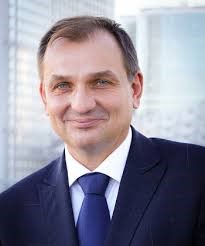
Dr. Oskar Kowalewski is a Professor of Finance at IESEG School of Management, France, and a globally recognized scholar in real estate investment trusts (REITs), ESG investing, and financial stability. He has served as Director of Research at the Polish Academy of Sciences and is a prolific contributor to top-tier journals in finance and economics. Dr. Oskar’s research evaluates the macroeconomic implications of real estate market cycles and the regulatory design of REITs. His extensive experience in international finance and advisory roles equips him to offer comparative insights into REIT development in Pakistan and the EU. At ICRE 2025, his keynote will provide critical reflections on making real estate markets more efficient, transparent, and climate-compliant.

Prof. Demian is an Associate Professor at the Pontifical Catholic University of Paraná (PUCPR), Brazil, and a leading figure in sustainable urban management. He contributes to PUCPR’s Graduate Program in Smart and Sustainable Cities, where he supervises doctoral and master’s research. His expertise lies in blue-green infrastructure, climate-adaptive planning, and urban health systems. Dr. Demian has held prestigious international research fellowships, including Fulbright and Newton Fund placements in Australia and the UK. His academic influence extends across environmental engineering, systems analysis, and urban governance. He is also a peer reviewer for numerous international journals and actively collaborates on cross-border urban sustainability initiatives. His keynote at ICRE 2025 will explore integrative urban policies that harmonize ecological resilience, technological infrastructure, and socio-political inclusivity.
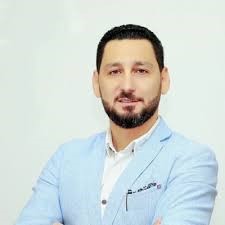
Dr. Chaham is an Associate Professor at Sultan Qaboos University, Oman, specializing in architectural engineering and urban futures. His research focuses on the governance and ethics of smart cities, particularly the narratives of digital public participation and power dynamics in urban planning. He emphasizes the need for inclusive planning that reflects diverse community visions rather than top-down techno-centric models. Dr. Chaham’s work is known for challenging conventional smart city paradigms by bringing forth local knowledge, participatory technologies, and ethical urbanism. At ICRE 2025, his keynote will focus on how urban policy can be shaped through inclusive technologies, ensuring livability and transparency in rapidly urbanizing regions.
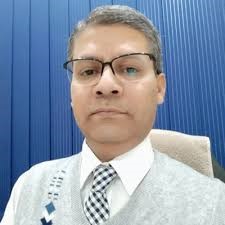
Dr. Zubair is an Associate Professor of Finance at the University of Bahrain and a recognized scholar in fintech, green finance, and climate-linked investments. He previously served in the Privatization Commission and the Board of Investment, Government of Pakistan, and has held academic positions at NUML, Bahria, and NUST. His recent research focuses on blockchain in real estate, green sukuk, AI-based valuation methods, and ethical IPOs. He has presented at global forums including the Asian Development Bank Institute (ADBI). Dr. Zubair will speak at ICRE 2025 on digital transformation in real estate finance and the evolving role of Islamic financial tools in inclusive urban development.
Dr. George Gray Molina is the Head of Strategic Engagement and Chief Economist at the United Nations Development Programme (UNDP). With a PhD from the University of Oxford, his research and practice span fiscal policy, sustainable development, and inequality reduction. He has advised multiple governments on tax justice, financing for development, and social protection. Dr. George is a thought leader in bridging macroeconomic frameworks with grassroots development, and he frequently collaborates with global institutions like the World Bank and IMF. At ICRE 2025, his plenary talk will highlight strategies for financing sustainable urban infrastructure in emerging economies, with a focus on equitable real estate governance and smart fiscal planning.
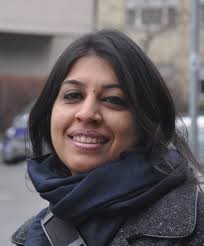
Prof. Saima is a Professor of Psychology and a leading voice on gender-inclusive urban policy and socio-spatial justice in South Asia. She has conducted extensive field research on urban insecurity, mental well-being, and mobility constraints affecting women in low-income settlements. Her expertise lies in integrating psychological frameworks into urban planning and public policy. Dr. Saima serves as a mentor for emerging scholars and sits on academic boards promoting gender equity and participatory governance. Her presentation at ICRE 2025 will explore urban safety and mental health infrastructure as critical components of sustainable and inclusive city planning.
Dr. Sarwar is a senior urban policy expert and former Director General of Planning at the Capital Development Authority (CDA), Islamabad. With over 30 years of experience in land-use policy, master planning, and zoning reform, he has been instrumental in shaping Islamabad’s urban trajectory. Dr. Sarwar’s work has consistently advocated for regulatory transparency, environmental safeguards, and low-income housing integration in master plans. He has served as a consultant for various government and donor agencies on real estate policy, title regularization, and urban safety audits. At ICRE 2025, he will moderate sessions on legal frameworks, unauthorized housing societies, and land titling challenges.
Meet the following trailblazers who are reshaping the landscape of real estate through innovative practices and solutions.
Dr. Ghulam Sarwar Sandhu is a renowned legal and urban governance expert with over three decades of experience in public policy, real estate law, and institutional planning. As the former Director General of the Planning Wing at the Capital Development Authority (CDA), Islamabad, Dr. Sandhu played a pivotal role in shaping Islamabad’s master planning framework, land regulation policies, and real estate management systems. His profound understanding of legal structures and administrative intricacies has made him a sought-after advisor for legislative reforms and urban policy development. Dr. Sandhu has represented Pakistan in several international planning forums and is known for his commitment to sustainable development, transparency, and citizen-centric reforms in urban governance. At ICRE 2025, he will provide critical insights into regulatory frameworks, unauthorized housing societies, and policy gaps hindering sustainable real estate development in Pakistan.
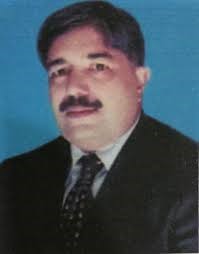
Mr. Kashif Hameed is a highly accomplished urban planner, policy advisor, and development practitioner with 25 years of multifaceted experience across urban design, climate resilience, disaster preparedness, and community development. As Chief Executive of Geo Green Pvt. Ltd. and Policy Advisor to the IRADA Foundation, he has led over 14 master planning and infrastructure design projects across Pakistan, including high-rise housing schemes, environmental impact assessments, and zoning analyses. Mr. Hameed is also a prolific researcher, having authored over 80 studies on planning reforms, grassroots empowerment, and sustainable urbanization. His work spans 60 districts and includes collaboration with Oxfam, UNDP, and international academia. At ICRE 2025, he will offer valuable perspectives on sustainable land use, climate-responsive city planning, and institutional capacity building, drawing from his extensive field expertise and policy engagement at the national and regional levels.
Malik Asghar Naeem is a distinguished expert in land administration, cadastral reforms, and urban governance, with over three decades of experience in public service. As the former Senior Member of the Board of Revenue Punjab, he spearheaded key land record modernization and cadastral mapping projects across the province. His expertise lies in institutional reforms, property rights, digital land governance, and dispute resolution systems. Malik Asghar has played an instrumental role in the implementation of the Land Record Management & Information Systems (LRMIS), ensuring transparency and public access to land information. A firm advocate for digitized and accountable land management, he has worked closely with provincial governments, international partners, and legal reform committees. At ICRE 2025, he will share deep insights on legal bottlenecks, regulatory gaps, and opportunities for reform in Pakistan’s land and property systems, especially in the context of REITs, urban expansion, and informal settlements.
Muhammad Anwar Hussain Chaudhry is a seasoned urban planner and development expert with over two decades of experience in physical planning, housing, and public sector infrastructure development. As Senior Chief (Technical) at the Planning Commission of Pakistan, he has led national-level policy formulation and project appraisal in urban development, smart cities, water supply, sanitation, disaster risk reduction, and sustainable housing. Mr. Chaudhry has played a pivotal role in flagship initiatives such as the Gwadar Smart City Master Plan, Punjab Intermediate Cities Investment Program (PICIP), and the Karachi Water and Sewerage Services Improvement Project. He brings deep expertise in integrating financial, economic, and social safeguards into urban planning. At ICRE 2025, Mr. Chaudhry will offer strategic insights on mainstreaming sustainability and resilience into urban real estate projects, PPP models for municipal services, and policy frameworks that support inclusive and climate-resilient urbanization in Pakistan.
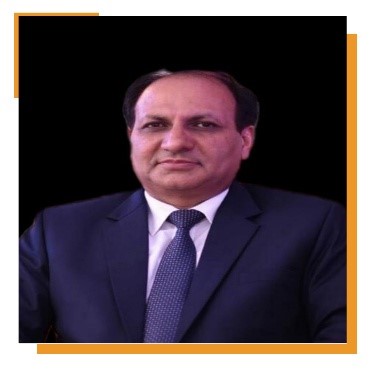
Mr. Sagheer Mushtaq is a leading financial strategist and REIT expert with over 18 years of executive experience in Pakistan’s capital markets, regulatory affairs, and real estate finance. Currently serving as the Chief Executive Officer of ISE Towers REIT Management Company Ltd., he has been instrumental in registering the first-ever REIT in Pakistan’s central region with the Securities and Exchange Commission of Pakistan (SECP). A Fellow Cost and Management Accountant (FCMA), Mr. Mushtaq has held senior leadership roles at the Pakistan Stock Exchange and Islamabad Stock Exchange, overseeing regulatory compliance, financial transformation, and investor protection. He has led landmark projects including the valuation, corporatization, and automation of ISE, managing multi-billion-rupee transactions and operations. At ICRE 2025, Mr. Mushtaq will contribute his expert insights on financial regulations, REIT frameworks, real estate investment structures, and institutional reforms to enhance transparency, investor confidence, and sustainable market growth in Pakistan’s real estate sector.
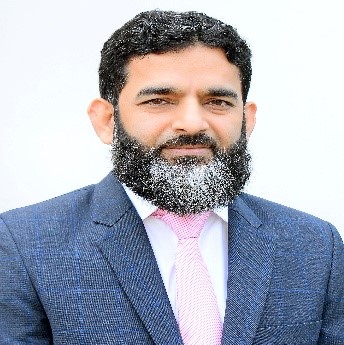
Mr. Zahid Latif Khan is a visionary capital market leader with over 30 years of experience in Pakistan’s financial and investment landscape. He is the Founding Chairman of Zahid Latif Khan Securities (Pvt) Ltd (ZLK Securities), one of the country’s most prominent brokerage firms, and currently serves as Director of ISE Tower REIT Management Company and LSE Financial Services Ltd. As Vice Chairman of the Pakistan Stock Brokers Association, Mr. Khan has been instrumental in shaping financial policy and market reforms. He played a pivotal role in the historic integration of Pakistan’s three stock exchanges into the Pakistan Stock Exchange. He is also the Chairman of AIERD and Honorary Coordinator to the Federal Tax Ombudsman. A staunch advocate for financial inclusion and investor education, Mr. Khan actively partners with universities and philanthropic organizations. At ICRE 2025, he brings strategic insight into capital market integration, REIT growth, and public-private collaboration.
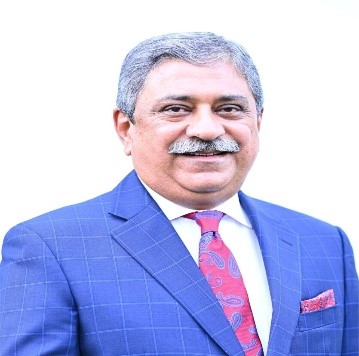
Mr. Muhammad Ejaz is the Founding Chief Executive Officer of Arif Habib Dolmen REIT Management Limited, Pakistan’s first and leading REIT Management Company. With a distinguished career spanning both domestic and international banking, Mr. Ejaz brings unparalleled expertise in investment, real estate, and corporate finance. He previously held senior leadership roles at Emirates NBD (as Treasurer, Pakistan), Faysal Bank (Regional Head, Corporate Banking), and Saudi-Pak Bank (Head of Corporate & Investment Banking). A graduate of FAST in Computer Science and an MBA in Banking and Finance from IBA Karachi, he has also served as visiting faculty at IBA and a trainer at NIBAF-SBP and IBP. As a Certified Director and Certified Financial Risk Manager (FRM), he offers strategic insights into Pakistan’s evolving financial and real estate landscape. At ICRE 2025, Mr. Ejaz will share his visionary perspective on REIT development, financial regulation, and the future of real estate investment in Pakistan.
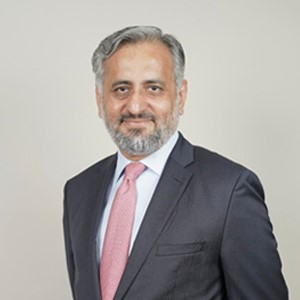
Mr. Jawed Ali Khan is a distinguished Urban, Environment, and Climate Change specialist with over 30 years of professional experience in urban planning, sustainability, and policy reform. Since 2017, he has led the UN-Habitat Programme in Pakistan, where he has been instrumental in shaping national urban development strategies and climate-resilient planning frameworks. Prior to his tenure at UN-Habitat, Mr. Khan served in the Government of Pakistan, starting his career as an Urban Planner in 1986 and culminating as Director General at the Ministry of Climate Change. He has also worked with UNEP as National Coordinator for Sustainable Consumption and Production and as a National Expert on Climate Change Mitigation. His major contributions include Pakistan’s Climate Vulnerability & Adaptation Assessment for Islamabad and the National Report for the UN HABITAT III Conference. At ICRE 2025, Mr. Khan will share strategic insights on integrating climate action into urban and real estate planning.
Mr. Waseem Hayat Bajwa is a seasoned infrastructure and housing leader currently serving as the Director General of the Federal Government Employees Housing Authority (FGEHA), under the Ministry of Housing & Works. In this role, he oversees the realization of Naya Pakistan Housing initiatives, including major housing schemes in Islamabad’s G 12, G 13, G 14, and Thallian, and has successfully enabled FGEHA to operate with its own appointed Deputy Commissioner to accelerate land acquisition and project execution pk.linkedin.com pakistan.un.org facebook.com .wikipedia.org dawn.com theonegroup.com.pk. Previously, he held senior roles within the Planning Wing as Deputy Director General (Policy & Planning), contributing to the National Housing Policy and digitization efforts led by the Ministry naphda.gov.pk. At ICRE 2025, Mr. Bajwa will bring critical insights into public housing delivery, institutional reform, and scalable land acquisition models designed to close Pakistan’s housing gap
Dr. Rehan Sadiq is a Professor of Civil & Environmental Engineering and Distinguished University Scholar at the University of British Columbia (UBC), and currently holds a Provost and VP Academic position at UBC Okanagan. He is also a co-director of Life Cycle Management Laboratory at UBC. Dr. Sadiq is a world-leading researcher in the areas of asset management of urban water systems, environmental risk analysis and lifecycle assessment of built environment. He is an author of more than 800 peer-reviewed journal and conference articles, book chapters and technical reports. The citations for his research work reach to 28K, which place him among top 100 most cited civil engineering researchers globally. He is also consistently included among top 1% scientists in the category of environmental science. He has served and chaired numerous Canadian and international scientific committees and conferences. Dr. Sadiq sits on the editorial board of many international journals in his field of research. Dr. Sadiq is registered as a Professional Engineer in BC (Canada) since 2010. He is also a Fellow of Canadian Academy of Engineering (FCAE), Canadian Society of Civil Engineering (FCSE), Engineers Canada (FEC), Engineering Institute of Canada (FEIC) and Canadian Society of Senior Engineers (FCSSE).
He is an HSE professional with over 18 years of extensive experience, demonstrating a strong record of achievements across diverse sectors and the ability to tackle challenges beyond his comfort zone. He is currently serving as Head of HSE & Sustainability at Fauji Cement Company, where he provides leadership and strategic direction for plant operations in the domains of health, safety, and sustainability. His expertise covers Sustainability & ESG, construction safety management, risk management, and incident investigation. Earlier, he worked as Manager Safety at the U.S. Department of State (2013–2018) and as Senior HSE Engineer at Lafarge Pakistan Cement (2011–2013), contributing significantly to workplace safety standards. He holds an MBA from Bahria University Islamabad and a degree in Chemical Engineering from the University of the Punjab. Additionally, he is internationally certified with NEBOSH IDIP, CSP, and Lead Auditor credentials across multiple ISO standards.
M. M. Rajput is a seasoned banking professional with 24 years of diverse experience, including 14 years of association with Pakistan’s first and largest Islamic bank. Over the course of his career, he has developed extensive expertise in mortgage business, where he has been actively engaged for more than two decades. Before entering the banking sector, he also served in academia as Dean of the Management Sciences Department at a private university, contributing to the growth of future business leaders. He holds a PhD in Business Administration, reflecting his strong academic foundation alongside his professional practice. Beyond his banking and academic roles, he is a published author of two books, one focusing on the Islamic Economic System and the other on Grooming Professional Profiles, showcasing his commitment to advancing knowledge and professional development. His career reflects a blend of leadership, scholarship, and practical expertise in Islamic finance and management.
Interested authors are invited to submit extended abstracts or full papers that present original research, theoretical perspectives, or practical insights related to the conference theme. Submissions should be in English and adhere to the specified formatting guidelines.
All submissions will undergo a rigorous peer-review process to ensure the highest quality of accepted papers. Accepted papers will be presented at the conference and published in the conference proceedings.
Associate Professor, Dept. of Accounting and Finance,
National University of Modern Languages (NUML) H-9, Islamabad.